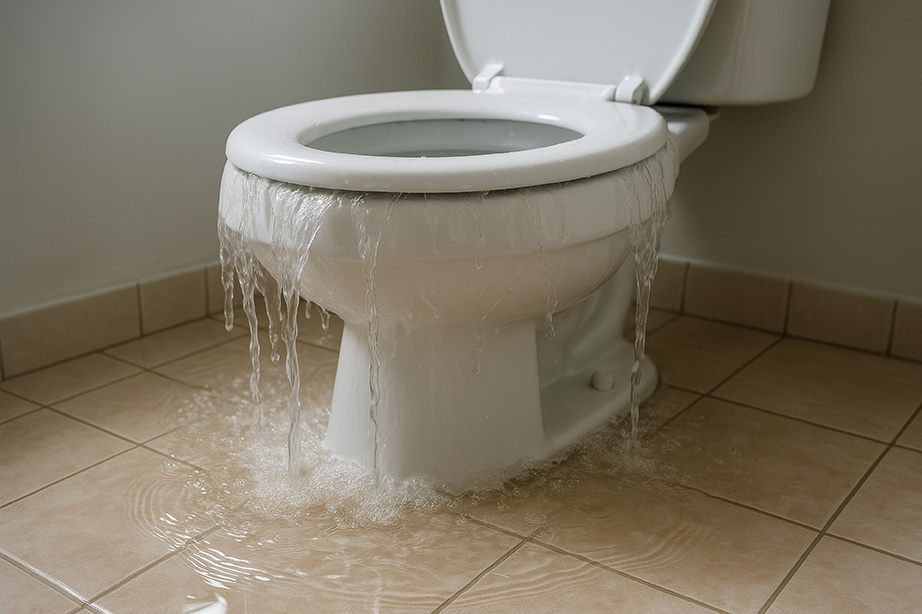
That sound of a toilet filling up long after someone has flushed is easy to ignore—especially when it stops after a few seconds. But if your toilet is running, hissing, or randomly refilling itself, it is wasting water every minute it goes unfixed.
For Antioch homeowners, a running toilet can lead to a higher water bill, unnecessary water waste, and an inconvenient plumbing issue that only gets more expensive when it is ignored. The good news is that many toilet leaks are caused by a small part inside the tank and can often be fixed quickly.
A Running Toilet Can Waste More Than You Think
Your toilet should refill once after you flush, then stop. If you keep hearing water running, the tank is likely losing water somewhere.
Sometimes the problem is obvious: water may be visibly flowing into the overflow tube inside the tank. Other times, it is quiet. The toilet may refill for a few seconds every few minutes, even though no one has used it. That is often called a “phantom flush,” and it usually means water is slowly leaking from the tank into the bowl.
It may not seem like much at first, but small leaks add up. A running toilet can waste hundreds—or even thousands—of gallons over time. That is water you are paying for but never actually using.
Why a Running Toilet Can Raise Your Water Bill
A toilet leak happens behind the scenes, so homeowners often do not realize there is a problem until their water bill arrives.
The water meter does not know whether water is being used for a shower, a load of laundry, or leaking through a toilet. If water is moving through the meter, it is recorded as water use. That means a toilet that runs all day can quietly increase your monthly bill.
In a place like Antioch, where water conservation matters, repairing leaks quickly is also one of the easiest ways to reduce unnecessary water use around your home.
If your water bill suddenly seems higher than normal and you cannot figure out why, check the toilets first. They are one of the most common places for hidden leaks.
Signs Your Toilet May Be Leaking
Some running toilets are loud. Others are nearly silent. Here are a few signs to watch for:
- You hear hissing, trickling, or refilling sounds when the toilet has not been flushed.
- The toilet seems to flush or refill on its own.
- You see water running into the overflow tube inside the tank.
- The water in the bowl has small ripples even when no one is using the toilet.
- Your water bill is higher than usual.
- Your water meter continues moving when all faucets, appliances, and irrigation are off.
If any of these sound familiar, it is a good idea to investigate sooner rather than later.
The Most Common Reasons a Toilet Keeps Running
Most running-toilet problems come down to one of a few parts inside the tank.
The flapper is worn out.
The flapper is the rubber piece at the bottom of the tank that holds water in until you flush. Over time, it can wear out, warp, crack, or become coated with mineral buildup. When it does not seal properly, water slowly leaks into the bowl and the tank keeps refilling.
This is one of the most common—and often easiest—toilet repairs.
The fill valve is not shutting off.
The fill valve controls the water entering the tank after a flush. If it is not working correctly, it may keep filling the tank long after it should have stopped.
You may hear a constant hissing sound or see water flowing into the overflow tube.
The water level is too high.
If the water level inside the tank rises above the overflow tube, the extra water has somewhere to go: straight down the tube and into the bowl.
In some cases, adjusting the float or fill valve can solve the problem.
The chain is getting in the way.
The chain connecting the flush handle to the flapper needs just enough slack to let the flapper close completely. If the chain is too short, tangled, or caught under the flapper, the flapper may stay slightly open and allow water to leak out.
A Quick Way to Check for a Silent Leak
You do not need special tools to test your toilet for a hidden leak.
- Remove the lid from the toilet tank and set it aside carefully.
- Add a few drops of food coloring to the water in the tank.
- Do not flush the toilet.
- Wait about 15 to 20 minutes.
- Check the toilet bowl.
If the water in the bowl changes color, water is leaking from the tank into the bowl. In many cases, the flapper is the issue.
This is a simple test worth doing once or twice a year, especially if you have an older toilet or have noticed an unexplained increase in your water bill.
Can You Fix It Yourself?
Sometimes, yes. If the issue is a worn flapper, an improperly adjusted chain, or a water level that is too high, you may be able to fix it yourself with a quick trip to the hardware store.
Before starting, turn off the water supply valve behind the toilet and flush to empty the tank. Then inspect the flapper, chain, and fill valve for obvious problems.
A few things you can try:
- Replace a worn or cracked flapper.
- Make sure the chain is not caught under the flapper.
- Adjust the float if the water level is too high.
- Clean mineral buildup around the flapper or flush valve.
- Replace a faulty fill valve if it continues to run.
If you are not sure what part you need—or you have already tried replacing a part and the toilet is still running—it is usually faster and less frustrating to call a plumber.
When It’s Time to Call a Plumber
A running toilet is not always a simple flapper replacement. It is best to bring in a professional if:
- The toilet keeps running after you replace the flapper.
- Water continues flowing into the overflow tube.
- You notice water around the base of the toilet.
- The toilet rocks or feels loose.
- The toilet is cracked or damaged.
- You have recurring clogs, backups, or weak flushing.
- You are not comfortable taking apart the tank.
A plumber can determine whether the issue is inside the tank or connected to something more serious, such as the water supply line, shutoff valve, toilet seal, or drain line.
Don’t Let a Small Leak Turn Into a Bigger Bill
A running toilet might not feel urgent, but it is one of those small home problems that can quietly become expensive. The longer it runs, the more water—and money—goes down the drain.
If you hear your toilet refilling when no one has flushed it, notice a higher water bill, or want help finding a hidden leak, Pure Water Plumbing and Rooter is here to help. We can identify the cause, make the repair, and help you get back to using water confidently.