Most homeowners don't think about their drains until something goes wrong — a slow sink, a gurgling toilet, or worse, a full backup. But like changing the oil in your car, drain cleaning is one of those maintenance tasks that pays off far more when you do it before there's a problem.
If you've been wondering how often to clean your drains (or whether you even need to), this guide is for you. We'll walk through the recommended schedule, what affects it, and why Contra Costa County homeowners have a few extra reasons to stay on top of it.
Why Regular Drain Cleaning Matters
Over time, drains collect grease, soap scum, hair, food particles, and mineral deposits. Even if water appears to drain normally, buildup is happening inside your pipes — and it's only a matter of time before it causes a problem.
Regular drain cleaning:
Prevents costly backups and emergency calls—clearing minor buildup is far less expensive than dealing with a full clog or flood damage
Extends the life of your pipes—buildup creates pressure and corrosion over time
Keeps your home smelling fresh—organic matter trapped in drains is a leading cause of persistent odors
Gives you peace of mind — you'll know your plumbing is working the way it should
Think of it as routine maintenance, not a reactive repair. The best time to schedule drain cleaning is before you notice a problem.
How Often Should You Clean Your Drains?
There's no one-size-fits-all answer, but here are the general guidelines most plumbers recommend:
| Household Type | Recommended Frequency |
|---|---|
| Average household (2–4 people) | Once a year |
| Larger household (5+ people) | Every 6 months |
| Home with garbage disposal | Every 6–12 months |
| Older home or frequent past clogs | Every 6 months |
| Home surrounded by mature trees | Every 6–12 months |
| Kitchen drain (heavy cooking use) | Every 6 months |
If you've never had your drains professionally cleaned—or it's been a few years—scheduling a cleaning now is always the right move, regardless of where you fall on this chart.
Factors That Affect How Often You Should Clean
Several things can push your cleaning frequency toward the more frequent end of the scale:
Household size. More people means more hair, soap, grease, and food particles going down the drain every day. Larger households benefit from cleaning every six months rather than once a year.
What goes down the drain? Cooking grease, coffee grounds, and food scraps — even with a garbage disposal — accelerate buildup significantly. The same applies in bathrooms where long hair is a regular factor.
Age of your home. Older homes often have cast iron or clay pipes, which are rougher on the inside and accumulate buildup more quickly than smooth PVC pipes. If your home was built before the 1980s, annual cleaning at minimum is a smart call.
Trees on your property. Root intrusion is one of the most common — and damaging — drain problems in older neighborhoods. More on this below.
Professional Drain Cleaning vs. DIY
You've probably seen the chemical drain cleaners at the hardware store. They can provide short-term relief for a minor clog, but they come with real drawbacks.
Liquid drain cleaners:
Use harsh chemicals that can damage older pipes over time
Don't fully clear buildup—they may dissolve just enough to let water pass temporarily
Don't address root intrusion or structural issues
Professional drain cleaning:
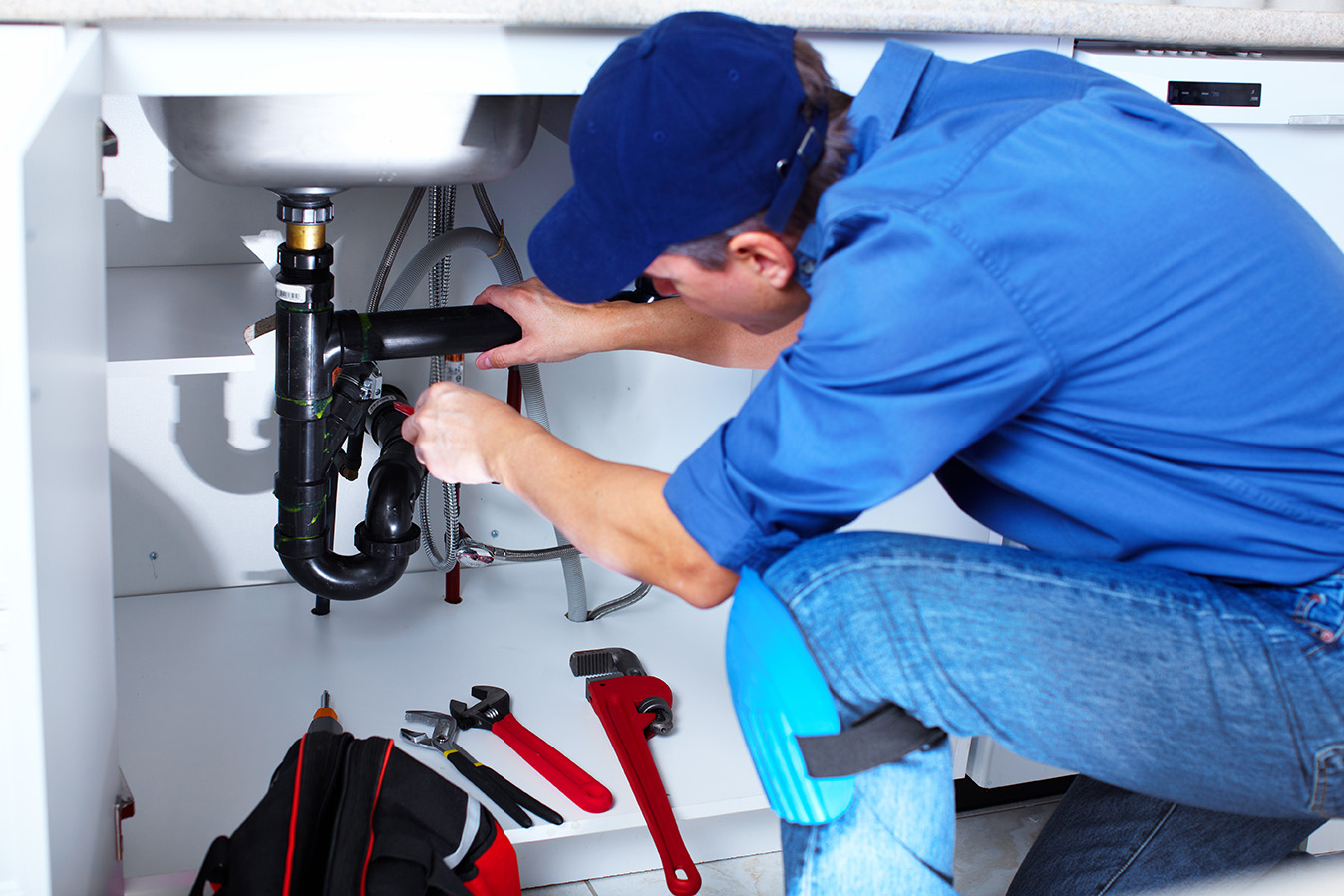
Uses hydro jetting or drain snaking to fully clear the line from wall to street
Removes grease, scale, debris, and even early-stage root growth
Can be paired with a camera inspection to catch issues before they become emergencies
Safer for your pipes and the environment (hydro jetting uses only pressurized water)
DIY solutions are fine for the occasional slow drain in a bathroom sink. But for mainline drain cleaning — and especially if you're on a maintenance schedule — a professional service is the only option that actually gets the job done.
Signs Your Drains Need Service Now
Don't wait for a full backup. These are the signs your drains are telling you something:
Drains are slow—especially if multiple drains in the home are slow at the same time
Gurgling sounds after flushing the toilet or running the dishwasher
Unpleasant odors coming from sink or floor drains
Water backing up into the tub or shower when you flush the toilet
Recurring clogs in the same drain, even after clearing them yourself
Water pooling around floor drains in the laundry room or garage
Any one of these is worth a call. Multiple symptoms at the same time often point to a mainline issue that needs professional attention right away.
Contra Costa County Homeowners: A Few Extra Things to Know
If you live in Antioch, Brentwood, or anywhere in Contra Costa County, there are a couple of local factors that make regular drain maintenance even more important.
Tree root intrusion is common here. The East Bay is home to mature, fast-growing trees—eucalyptus, willow, and various hardwoods are especially aggressive when it comes to root systems. Tree roots naturally seek out moisture, and older clay or cast iron sewer lines provide exactly what they're looking for. Once roots find even a hairline crack in a pipe, they grow inside it and cause progressively worse clogs and damage. Homes with mature trees nearby—especially properties built in the 1970s–1990s—should plan on annual camera inspections alongside routine drain cleaning.
Expansive clay soil creates pipe movement. Contra Costa County has significant clay content in its soil. This soil expands when wet and contracts when dry, which causes subtle shifting in the ground around your pipes over time. That movement can stress pipe joints, create cracks, and open entry points for roots. It's a slower process, but it's one reason older homes in the area need more attention than homeowners in regions with more stable soil.
Hard water contributes to mineral buildup. East Bay water has a higher mineral content than many parts of California. Over time, those minerals coat the interior of your pipes—a condition called "scale"—and narrow the effective diameter of your drains. Regular cleaning removes scale before it becomes a significant flow restriction.
The Case for a Maintenance Plan
One of the best decisions a Contra Costa County homeowner can make is scheduling recurring drain service rather than waiting until something breaks. A regular maintenance plan means:
You're never caught off guard by an emergency
Your plumber gets familiar with your home's specific plumbing and can spot changes over time
You often save money compared to scheduling individual service calls
Many plans include drain cleaning and a camera inspection, so you always know the condition of your mainline
Pure Water Plumbing and Rooter serves homeowners throughout Antioch, Brentwood, and the surrounding Contra Costa County area. Whether you're due for your first professional cleaning or you're ready to set up a recurring maintenance schedule, our team is ready to help.
Ready to Schedule?
If you're searching for professional drain cleaning in Antioch, CA, or drain cleaning in Brentwood, CA, you don't have to look far. Pure Water Plumbing and Rooter offers thorough drain cleaning, hydro jetting, and camera inspection services designed to keep your home's plumbing running smoothly year-round.
Contact us today to schedule your drain cleaning service or ask about our maintenance plans.
Pure Water Plumbing and Rooter — Serving Antioch, Brentwood, and Contra Costa County