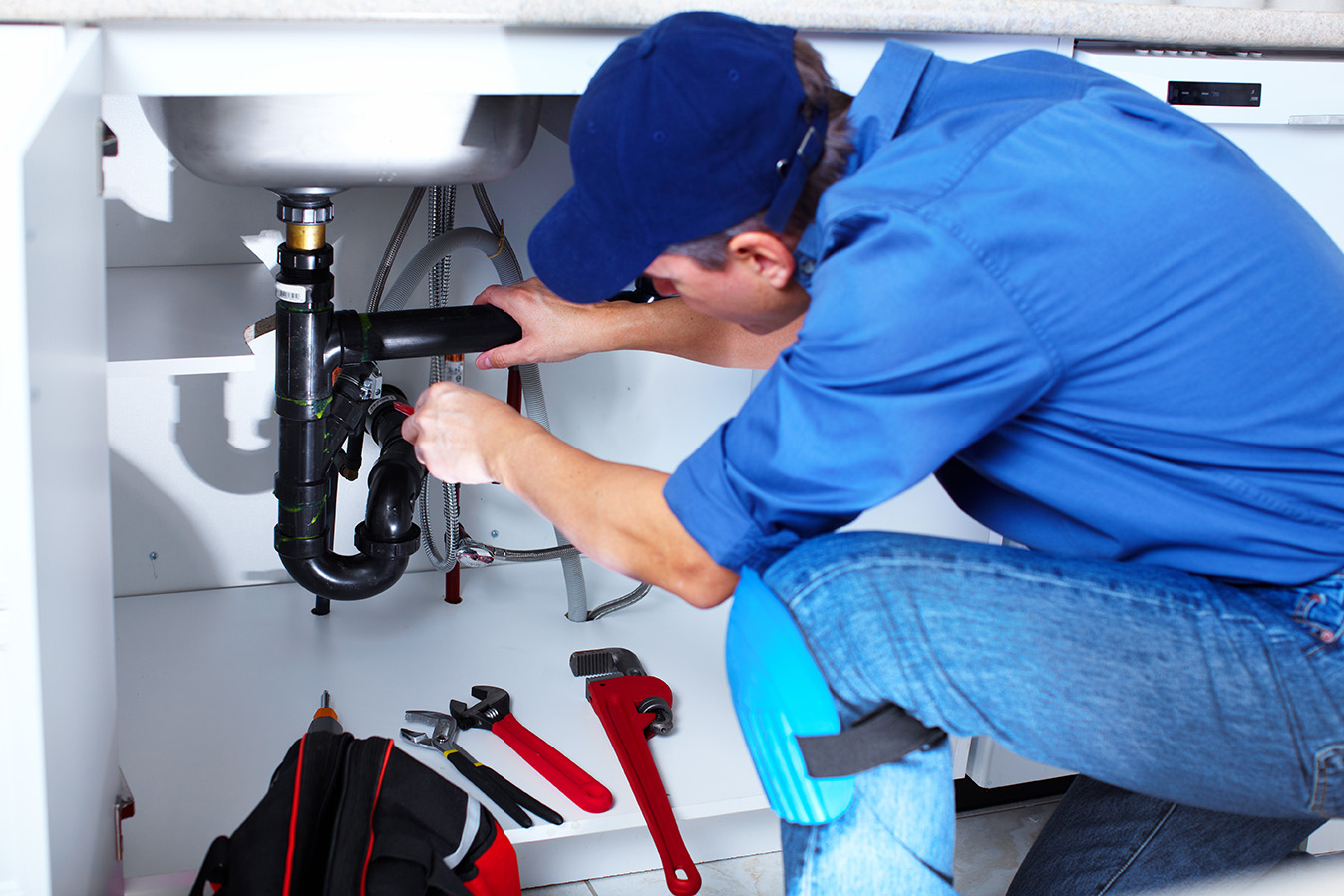
Most homeowners never think about their plumbing until something goes wrong. Unfortunately, plumbing emergencies rarely happen at a convenient time. A burst pipe during the night, a sewer backup before guests arrive, or a leaking water heater on a holiday weekend can quickly become stressful and expensive situations. The good news is that many of these emergencies are completely preventable with regular maintenance and early attention to warning signs.
Recent homeowner surveys show that plumbing problems remain one of the biggest repair concerns for homeowners. More than 80% of homeowners experienced at least one home repair emergency in the past year, with plumbing and water pipe failures ranking among the most feared because of their potential to cause significant property damage. (HomeServe)
If you're looking to prevent plumbing emergencies, this guide covers the most effective strategies, a seasonal home plumbing checklist, what to do if disaster strikes, and why scheduling routine inspections can save thousands of dollars over the life of your home.
Why Plumbing Emergencies Are More Common Than You Think
Many plumbing disasters don't happen suddenly—they develop quietly over weeks or even months. A tiny leak behind a cabinet slowly weakens wood flooring. A partially clogged drain gradually builds pressure inside your pipes. A water heater begins collecting sediment until it eventually fails.
Some of the most common emergencies include:
- Burst pipes
- Caused by freezing temperatures or aging pipes
- Can it be prevented? Yes
- Water heater failure
- Caused by sediment buildup
- Can it be prevented? Yes
- Sewer backups
- Caused by tree roots or blockages
- Can it be prevented? Often
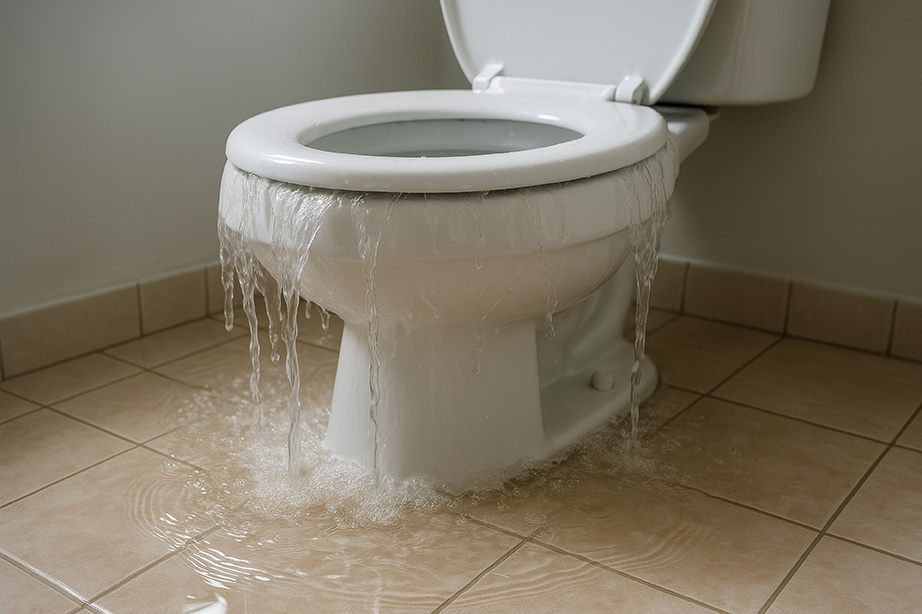
- Overflowing toilets
- Caused by drain clogs
- Can it be prevented? Yes
- Major leaks
- Caused by worn fittings or corroded pipes
- Can it be prevented? Yes
Why Small Plumbing Problems Become Expensive
The biggest mistake homeowners make is assuming these problems appear overnight. In reality, plumbing systems almost always provide warning signs before they fail. Strange noises, slow drains, inconsistent water pressure, unexplained increases in water bills, or damp areas around fixtures should never be ignored. Catching these issues early often means the difference between a simple repair and a major restoration project.
1. Fix Small Leaks Before They Become Major Problems
That tiny drip under the kitchen sink might seem harmless today, but water has an incredible ability to cause damage over time. Even small leaks encourage mold growth, weaken structural materials, damage flooring, and waste hundreds of gallons of water annually.
Watch for these warning signs:
- Water stains
- Musty odors
- Damp cabinets
- Peeling paint
- Unexpected increases in your water bill
- Low water pressure
Many homeowners postpone repairs because everything still appears to be functioning normally. Unfortunately, hidden leaks often remain unnoticed until drywall, insulation, or flooring has already suffered extensive damage.
Professional plumbers use moisture meters, pressure testing, and leak detection equipment to identify hidden issues long before visible damage appears. Investing in a simple repair today is far less expensive than replacing flooring, cabinetry, or drywall later.
2. Keep Drains Clear and Flowing
One of the easiest plumbing maintenance tips is preventing drain clogs before they start.
Kitchen drains are designed to carry wastewater—not grease, cooking oils, coffee grounds, eggshells, or fibrous foods. Bathroom drains become clogged from hair, soap residue, and personal care products. Toilets should only flush toilet paper and human waste. Even products labeled "flushable" frequently contribute to sewer backups.
Avoid pouring these items down your drains:
- Grease
- Cooking oil
- Coffee grounds
- Rice or pasta
- Wet wipes
- Cotton swabs
- Paper towels
- Feminine hygiene products
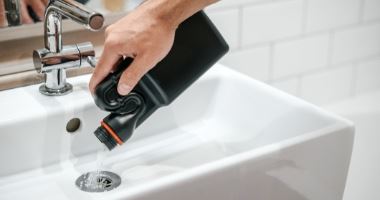
Homeowners often rely on chemical drain cleaners when water begins draining slowly. While these products may offer temporary relief, repeated use can damage older pipes and often fails to remove the underlying blockage. Mechanical cleaning or professional hydro jetting provides a much more thorough solution while protecting your plumbing system.
3. Protect Your Pipes Throughout the Year
Your plumbing system changes with the seasons. Temperature swings, changing water usage, and weather all affect your pipes.
During colder months, exposed pipes in garages, crawl spaces, and exterior walls are vulnerable to freezing. Frozen water expands inside pipes, dramatically increasing the risk of bursting. Even in California, unexpected cold snaps can affect vulnerable plumbing.
Seasonal pipe protection includes:
Spring & Summer
- Check outdoor faucets for leaks
- Inspect irrigation systems
- Test hose bibs
- Look for signs of winter damage
Fall & Winter
- Disconnect garden hoses
- Insulate exposed pipes
- Seal foundation openings
- Know where your main shutoff valve is located
Experts consistently recommend winterizing exterior plumbing and insulating vulnerable pipes before freezing temperatures arrive to avoid costly repairs.
4. Maintain Water-Using Appliances
Many plumbing emergencies actually begin with household appliances rather than your home's water supply lines.
Your water heater, washing machine, dishwasher, refrigerator ice maker, and water softener all rely on plumbing connections that wear over time.
Water heaters should be flushed annually to remove sediment buildup, which improves efficiency and extends equipment life. Washing machine hoses should be inspected for cracks, bulges, or corrosion and replaced every few years with reinforced braided hoses. Dishwasher supply lines should also be checked regularly for leaks.
Regular appliance maintenance provides several benefits:
- Longer equipment life
- Better water efficiency
- Lower utility bills
- Reduced risk of flooding
- Improved water quality
Routine maintenance takes very little time but significantly reduces the likelihood of unexpected failures.
5. Schedule Routine Professional Plumbing Inspections
The single most effective way to prevent plumbing emergencies is scheduling regular inspections.
A professional plumber looks far beyond visible fixtures. During an inspection, they'll evaluate:
- Water pressure
- Pipe condition
- Shutoff valves
- Water heater performance
- Drain flow
- Fixture operation
- Leak detection
- Sewer line warning signs
Think of it like an annual physical for your home. Just as doctors detect health problems before symptoms become severe, plumbers identify small issues before they become expensive emergencies.
Professional inspections are particularly valuable for older homes, recently purchased homes, or properties with mature landscaping where tree roots may threaten sewer lines.
Seasonal Home Plumbing Checklist
A simple home plumbing checklist can dramatically reduce your chances of needing an emergency plumbing service call.
Spring: Check outdoor faucets, inspect irrigation, test sump pump, inspect visible pipes
Summer: Look for leaks, inspect sprinklers, monitor water pressure
Fall: Clean gutters, disconnect hoses, inspect water heater
Winter: Insulate exposed pipes, protect outdoor faucets, know shutoff valve location
Completing these seasonal tasks only takes a few hours each year but can prevent thousands of dollars in unexpected repairs.
What to Do if a Plumbing Emergency Happens
Even with excellent maintenance, emergencies can still occur. Acting quickly minimizes damage.
If you experience a burst pipe, overflowing toilet, or major leak:
- Turn off the home's main water supply immediately.
- Shut off electricity if water approaches electrical outlets.
- Move furniture and valuables away from standing water.
- Document damage for insurance purposes.
- Contact a licensed emergency plumber as soon as possible.
Every homeowner should know the location of the main water shutoff valve before an emergency occurs. Industry experts consistently rank this as one of the most important pieces of emergency preparedness for homeowners.
Why Preventive Plumbing Maintenance Saves Money
Waiting until something breaks almost always costs more.
Routine maintenance helps homeowners
- Avoid emergency service fees
- Prevent water damage
- Extend appliance lifespan
- Reduce utility bills
- Improve water efficiency
- Protect home value
- Gain peace of mind
Preventive maintenance also makes budgeting easier. Instead of facing an unexpected multi-thousand-dollar emergency repair, homeowners can plan for smaller maintenance costs throughout the year.
Considering that plumbing failures remain among homeowners' biggest repair concerns, proactive maintenance is one of the smartest investments you can make. (HomeServe)
Schedule Your Plumbing Inspection Consultation
The best time to fix a plumbing problem is before it becomes an emergency.
Whether you're maintaining a newer home or an older property, a professional inspection can identify hidden leaks, aging pipes, water pressure issues, and appliance wear before they lead to costly repairs.
If you're searching for emergency plumbing in Antioch or Brentwood, don't wait until water is already flooding your home. Schedule your free plumbing inspection consultation today and let our experienced team help you protect your plumbing system year-round. Preventive care today can save you significant stress, time, and money tomorrow.
Conclusion
Plumbing emergencies are often preventable with consistent maintenance and early action. Fixing small leaks, keeping drains clear, protecting pipes through seasonal changes, maintaining appliances, and scheduling regular inspections all contribute to a healthier plumbing system and a safer home.
Rather than reacting to emergencies after they've caused damage, homeowners who follow a proactive maintenance plan enjoy greater peace of mind, lower repair costs, and longer-lasting plumbing systems. A simple free inspection today may uncover minor issues that can be resolved quickly, helping you avoid the inconvenience and expense of a major plumbing emergency in the future.
Frequently Asked Questions
- How often should I have my plumbing inspected?
- Most homeowners should schedule a professional plumbing inspection once a year. Older homes or properties with recurring plumbing issues may benefit from inspections every six months.
- What is the most common plumbing emergency?
- Clogged drains, burst pipes, overflowing toilets, leaking water heaters, and sewer backups are among the most common residential plumbing emergencies.
- Can I prevent frozen pipes?
- Yes. Insulating exposed pipes, sealing drafts, disconnecting outdoor hoses, and maintaining indoor temperatures significantly reduce the risk of frozen pipes.
- What should I do before calling an emergency plumber?
- Turn off your home's main water supply, protect valuables from water damage, and avoid using affected fixtures until a licensed plumber arrives.
- Is preventive plumbing maintenance worth the cost?
- Absolutely. Preventive maintenance helps identify small problems before they become expensive repairs, extends the life of your plumbing system, and can save thousands of dollars over time.