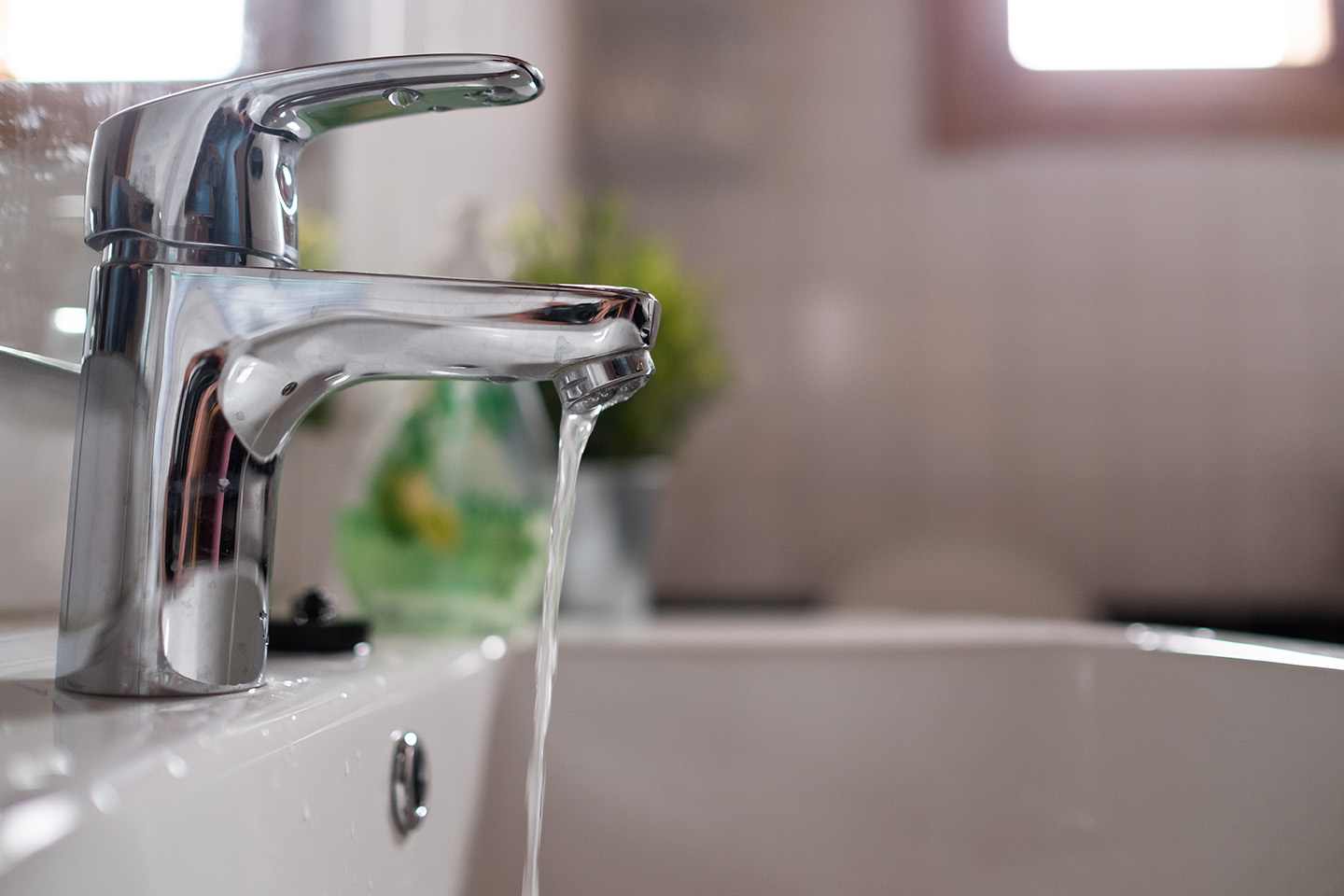
If you’ve ever turned on the tap expecting a steady stream—only to get a disappointing trickle—you’re not alone. Low water pressure is a common issue for East County homeowners, and it can make everyday tasks like showering, washing dishes, or doing laundry frustrating.
The good news? Most causes of low water pressure can be identified—and often fixed—once you know what to look for.
What Causes Low Water Pressure?
Several factors can affect your home’s water pressure, especially in East County, where infrastructure, water demand, and mineral content all play a role.
Aging water infrastructure: Older pipes in parts of Antioch, Brentwood, and Oakley may restrict flow due to corrosion or buildup.
Mineral deposits: Hard water can cause scale buildup inside pipes and fixtures, reducing water flow over time.
Pressure regulator issues: A failing or misadjusted regulator can cause sudden drops in pressure.
Leaks in your system: Even a small hidden leak can significantly reduce pressure.
Municipal supply fluctuations: Peak usage times or maintenance work can temporarily impact water pressure.
If you’ve been wondering, "Why is my water pressure low?" the answer often lies in one of these common causes.
How to Tell: Municipal Issue or Home Problem?
Before jumping into repairs, it’s important to identify whether the issue is coming from your home or the city supply.
Start with these quick checks:
Check multiple fixtures: If only one faucet or shower has low pressure, it’s likely a localized issue.
Ask your neighbors: If they’re experiencing the same problem, it could be a municipal supply issue.
Test both hot and cold water: If only hot water pressure is low, your water heater may be the culprit.
Check the main shutoff valve: Make sure it’s fully open.
If the problem persists throughout your home but your neighbors remain unaffected, it's time to examine your plumbing system more closely.
Steps You Can Try Yourself
Before calling a professional, there are a few simple fixes homeowners can try.
Clean faucet aerators and showerheads: Mineral buildup can block water flow; soaking them in vinegar often helps.
Check for partially closed valves: Ensure all shutoff valves are fully open.
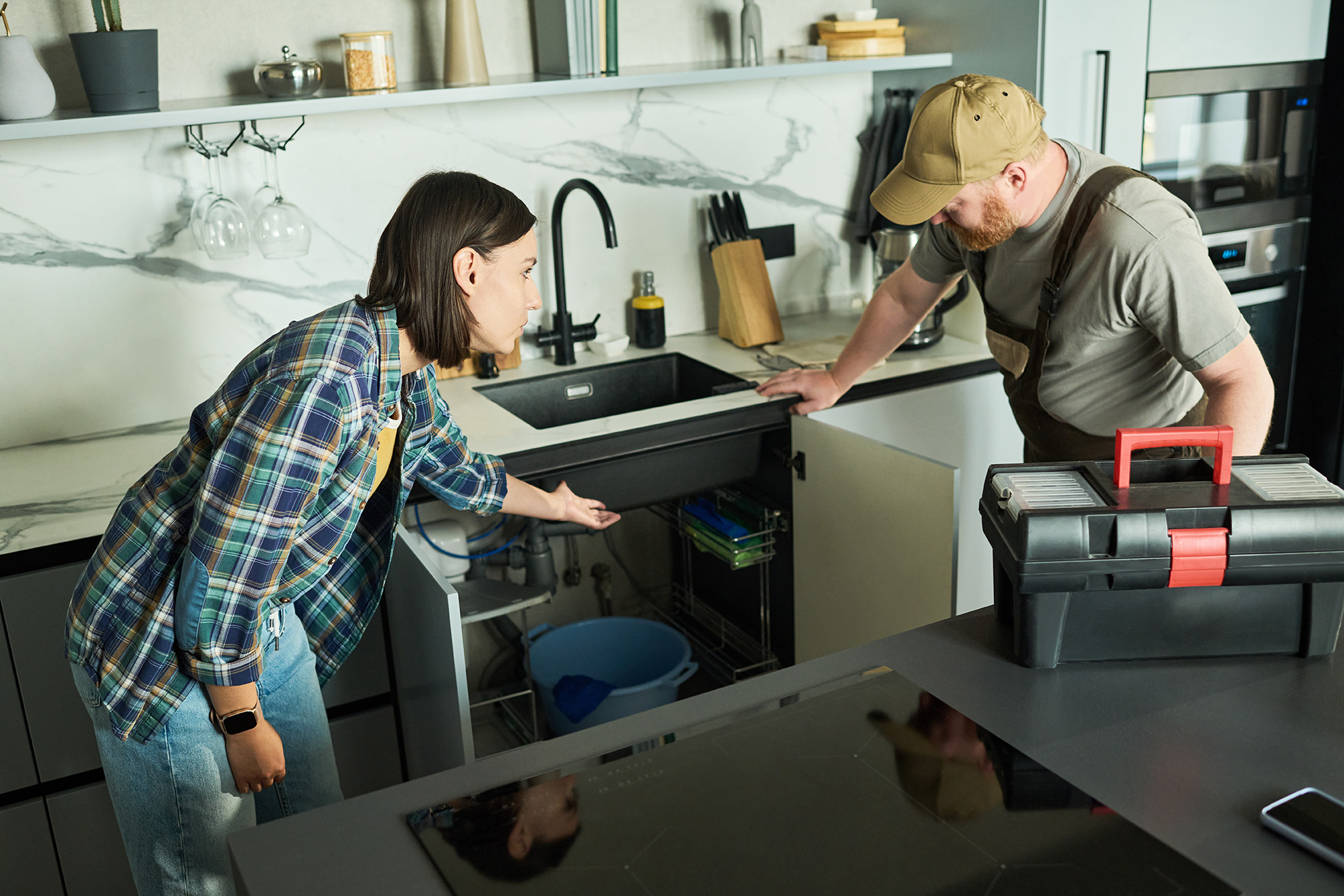
Inspect for visible leaks: Look under sinks, around toilets, and along exposed pipes.
Flush your water heater: Sediment buildup can affect pressure and performance.
Replace old fixtures: Older fixtures can become clogged or inefficient over time.
If you’re searching for “how to fix low water pressure in a home,” these steps are a wonderful place to start.
When It’s Time to Call a Plumber
Some issues go beyond DIY fixes and require professional expertise. You should call a plumber if:
Pressure suddenly drops across your entire home.
You suspect a hidden leak (e.g., rising water bills, damp spots).
Your pressure regulator may be failing.
Pipes are old, corroded, or need replacement.
DIY fixes haven’t improved the situation.
An experienced water line plumber like Pure Water Plumbing and Rooter can quickly diagnose the root cause and recommend the right solution—saving you time and preventing further damage.
Preventative Maintenance Tips
The best way to avoid water pressure problems is to stay ahead of them.
Schedule routine plumbing inspections.
Install a water softener if you have hard water.
Flush your water heater annually.
Replace aging pipes before they fail.
Monitor your water bill for unexpected spikes.
Preventative care not only protects your water pressure but also extends the life of your plumbing system.
Get Expert Help
If low water pressure is disrupting your home, Pure Water Plumbing is here to help. Our team understands the unique plumbing challenges in East County and provides quick, reliable solutions tailored to your home.
Whether it’s diagnosing a hidden leak, repairing a water line, or restoring proper pressure, we’ll get your system back on track—so your water flows the way it should.